
Article
As global markets continue to evolve under conditions of conflict, occupation, and uneven production, two stock companies have emerged as dominant forces in the economic landscape: Wallahia and Berkshire Hathaway. Though both rank among the largest corporations in the world, their strategies, transparency, and market behavior differ sharply.
Wallahia: Dividends, Reach, and Open Questions
Wallahia is a Romanian stock company and the second-largest in the world, led by CEO
Despite this reach, doubts persist regarding actual production. Global markets continue to suffer from a lack of available product, raising questions about whether Wallahia’s foreign companies are actively producing or simply holding territory. This uncertainty has become a recurring point of discussion among analysts and shareholders.
Wallahia’s leadership has instead emphasized its dividend policy, highlighting regular gold payouts to shareholders. While these dividends have been welcomed, critics have questioned the origin of the gold, particularly given the limited observable market output. Although no definitive conclusions have been reached, the lack of clarity has fueled debate around sustainability and long-term resilience.
Berkshire Hathaway: Production and Long-Term Strategy
Berkshire Hathaway, the largest stock company in the world, is headquartered in the USA and led by CEO
Unlike Wallahia, Berkshire Hathaway maintains a strong and visible presence on the market. Its companies consistently supply products, giving it a reputation for tangible economic contribution. However, this production-focused strategy has come at the cost of delayed dividends, as shareholders have yet to receive direct payouts.
Shares currently trade between 3 and 10 gold, a valuation that has drawn criticism due to estimates placing the company’s current intrinsic value at approximately 1.9 gold per share. Supporters argue that this reflects future growth potential rather than present conditions, expecting value to rise as markets stabilize.
Comparing the Two
Wallahia and Berkshire Hathaway represent two fundamentally different philosophies of corporate power.
Wallahia prioritizes immediate shareholder reward, using dividends to maintain confidence and loyalty, even as questions linger about production, transparency, and sustainability. Its strength lies in payouts and influence, but its future depends on whether those payouts can be justified by real economic activity.
Berkshire Hathaway, meanwhile, emphasizes long-term growth and production, accepting short-term dissatisfaction from shareholders in exchange for a stronger market position. Its challenge lies in aligning market expectations with actual valuation—and eventually delivering dividends to validate its dominance.

Potential UK Government Investment
With the UK economy seeking stability and long-term recovery, government officials have reportedly begun evaluating the possibility of strategic investment in one of these corporate giants.
Wallahia’s dividend-focused model could provide immediate financial returns, offering short-term economic relief. However, concerns over transparency and production capacity pose risks for public investment.
Berkshire Hathaway, while not currently paying dividends, presents an alternative focused on long-term growth and market stability. An investment could align with broader economic recovery goals, though it would require patience and acceptance of delayed returns.
At present, no decision has been confirmed, but the discussion reflects a growing willingness by the UK government to explore unconventional avenues to strengthen the national economy.

Previous article:
A Fortunate Exchange (7 months ago)
Next article:
Preparing for Liberation (6 months ago)

About the game:
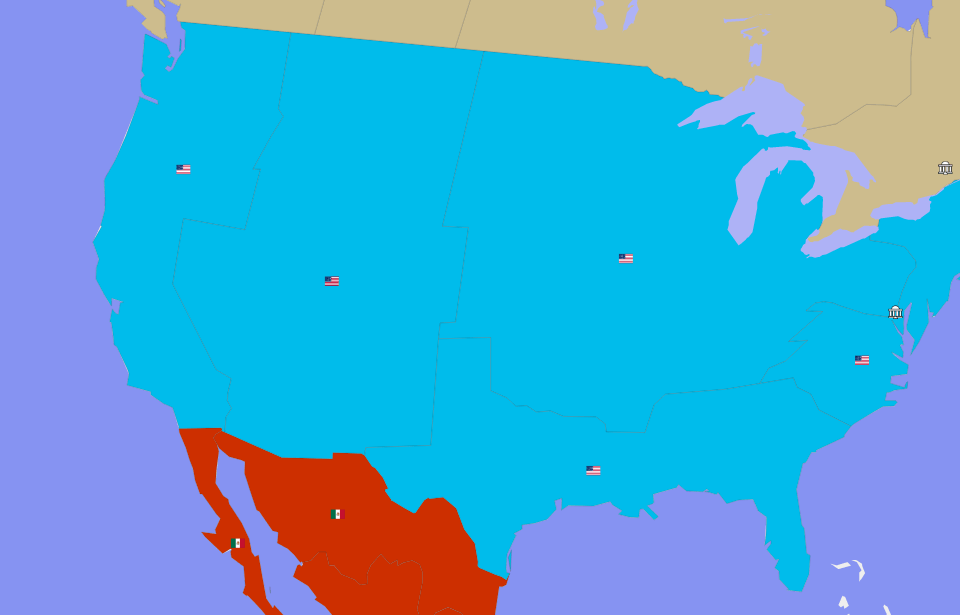
USA as a world power? In E-Sim it is possible!
In E-Sim we have a huge, living world, which is a mirror copy of the Earth. Well, maybe not completely mirrored, because the balance of power in this virtual world looks a bit different than in real life. In E-Sim, USA does not have to be a world superpower, It can be efficiently managed as a much smaller country that has entrepreneurial citizens that support it's foundation. Everything depends on the players themselves and how they decide to shape the political map of the game.
Work for the good of your country and see it rise to an empire.
Activities in this game are divided into several modules. First is the economy as a citizen in a country of your choice you must work to earn money, which you will get to spend for example, on food or purchase of weapons which are critical for your progress as a fighter. You will work in either private companies which are owned by players or government companies which are owned by the state. After progressing in the game you will finally get the opportunity to set up your own business and hire other players. If it prospers, we can even change it into a joint-stock company and enter the stock market and get even more money in this way.
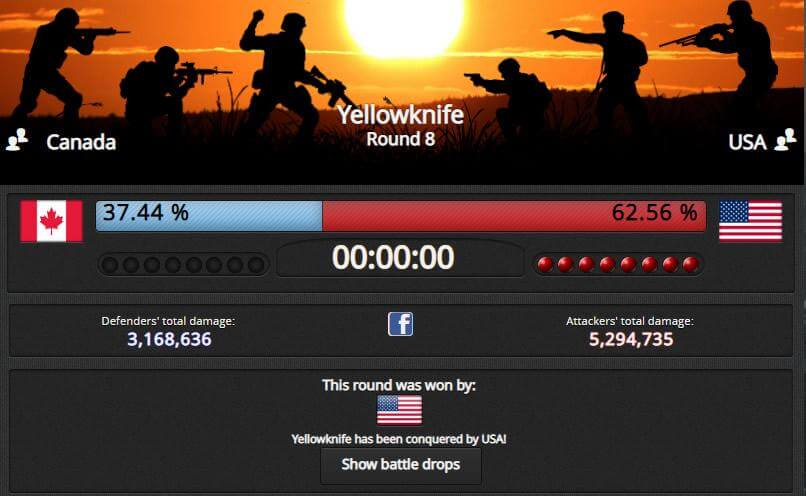
In E-Sim, international wars are nothing out of the ordinary.
Become an influential politician.
The second module is a politics. Just like in real life politics in E-Sim are an extremely powerful tool that can be used for your own purposes. From time to time there are elections in the game in which you will not only vote, but also have the ability to run for the head of the party you're in. You can also apply for congress, where once elected you will be given the right to vote on laws proposed by your fellow congress members or your president and propose laws yourself. Voting on laws is important for your country as it can shape the lives of those around you. You can also try to become the head of a given party, and even take part in presidential elections and decide on the shape of the foreign policy of a given state (for example, who to declare war on). Career in politics is obviously not easy and in order to succeed in it, you have to have a good plan and compete for the votes of voters.
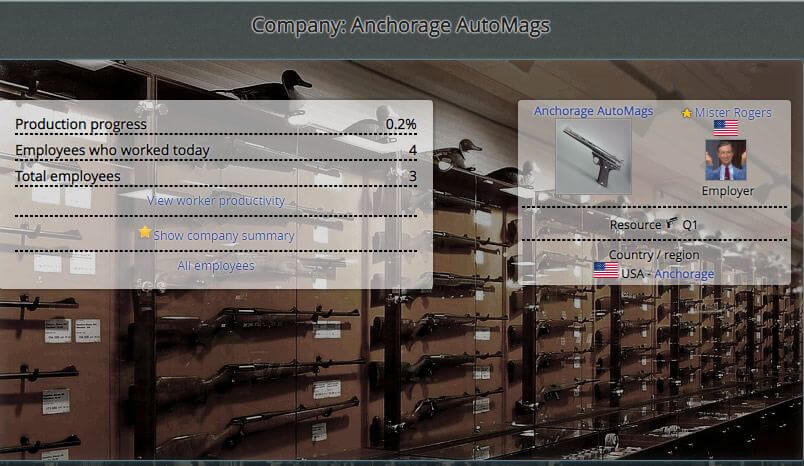
You can go bankrupt or become a rich man while playing the stock market.
The international war.
The last and probably the most important module is military. In E-Sim, countries are constantly fighting each other for control over territories which in return grant them access to more valuable raw materials. For this purpose, they form alliances, they fight international wars, but they also have to deal with, for example, uprisings in conquered countries or civil wars, which may explode on their territory. You can also take part in these clashes, although you are also given the opportunity to lead a life as a pacifist who focuses on other activities in the game (for example, running a successful newspaper or selling products).
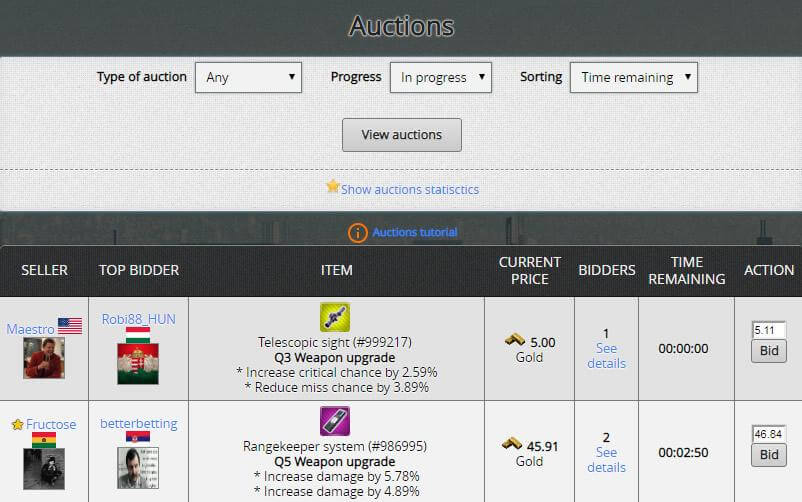
At the auction you can sell or buy your dream inventory.
E-Sim is a unique browser game. Its creators ensured realistic representation of the mechanisms present in the real world and gave all power to the players who shape the image of the virtual Earth according to their own. So come and join them and help your country achieve its full potential.
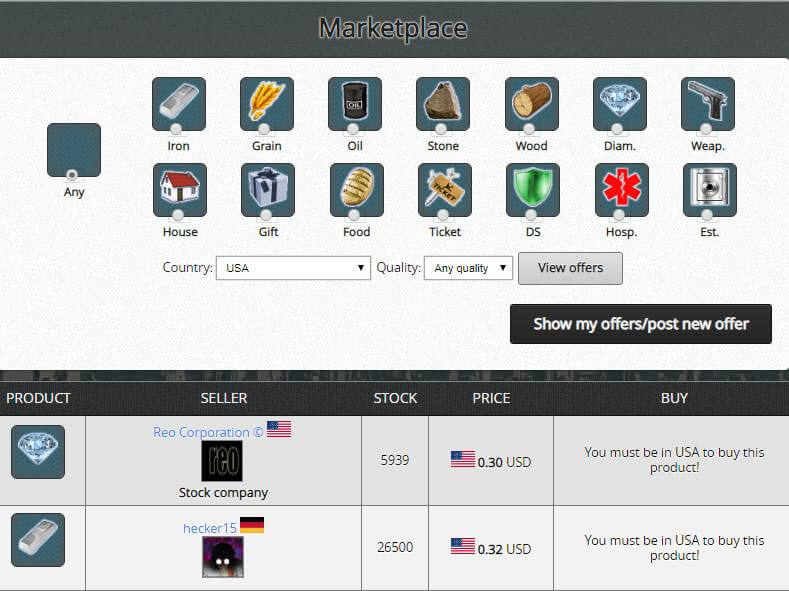
Invest, produce and sell - be an entrepreneur in E-Sim.
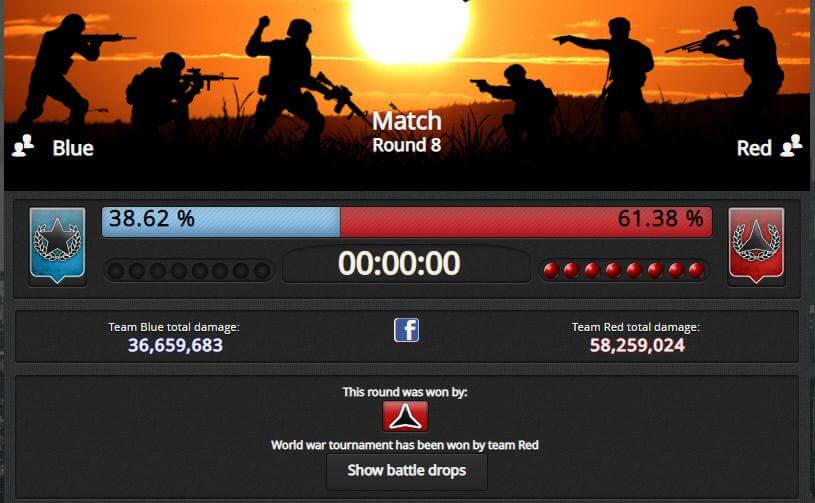
Take part in numerous events for the E-Sim community.
